
What if an AI could read your personality before you even answered a single question? That idea sounds like science fiction, but according to a recent report covered by Branson Tri-Lakes News, researchers have found that large language models — the technology behind tools like ChatGPT — can predict how humans are likely to respond to personality tests.
It is a small but thought-provoking finding. And it sits right at the edge of a conversation that astrology enthusiasts have been having for centuries: can we really know who someone is from a set of symbolic patterns?
What Did the Research Suggest?
The report referenced research into large language models (LLMs) and their ability to simulate human personality responses. An LLM is a type of AI system trained on vast amounts of text from the internet, books, and other sources. When given enough context about a person, these systems can apparently estimate how that person might respond to standard personality questionnaires.
It is important to be clear about what this does and does not mean. It does not mean AI can read minds. What it likely reflects is that AI systems have learned patterns in how people describe themselves — and those patterns map loosely onto established personality frameworks, such as trait theory.
Trait theory is a well-established area of psychology that categorises personality into measurable dimensions, such as openness, conscientiousness, and emotional stability. These are backed by decades of research.
Where Astrology Enters the Picture
Astrology also attempts to describe personality — but through a very different lens. According to astrology, the position of planets and celestial bodies at the time of a person’s birth can indicate personality traits, tendencies, and life themes. This is not a scientifically proven framework. Many astrologers and followers view it as a symbolic or philosophical system rather than a literal map of cause and effect.
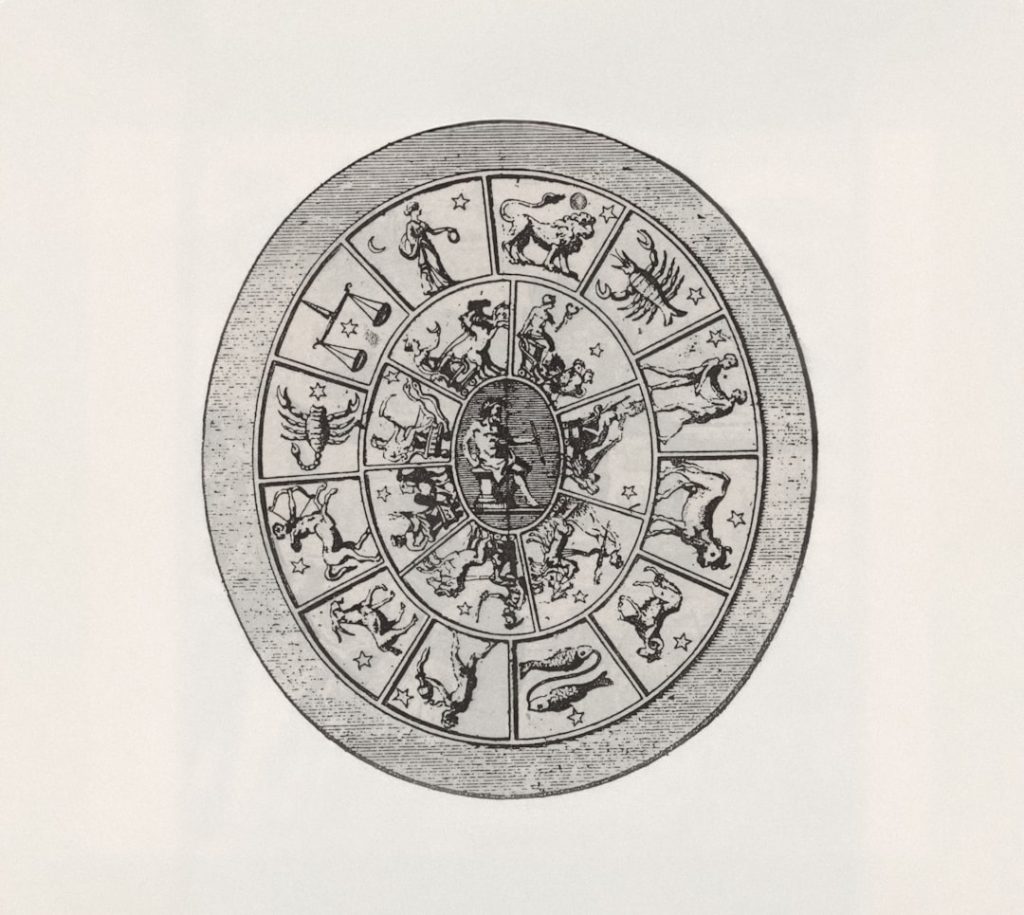
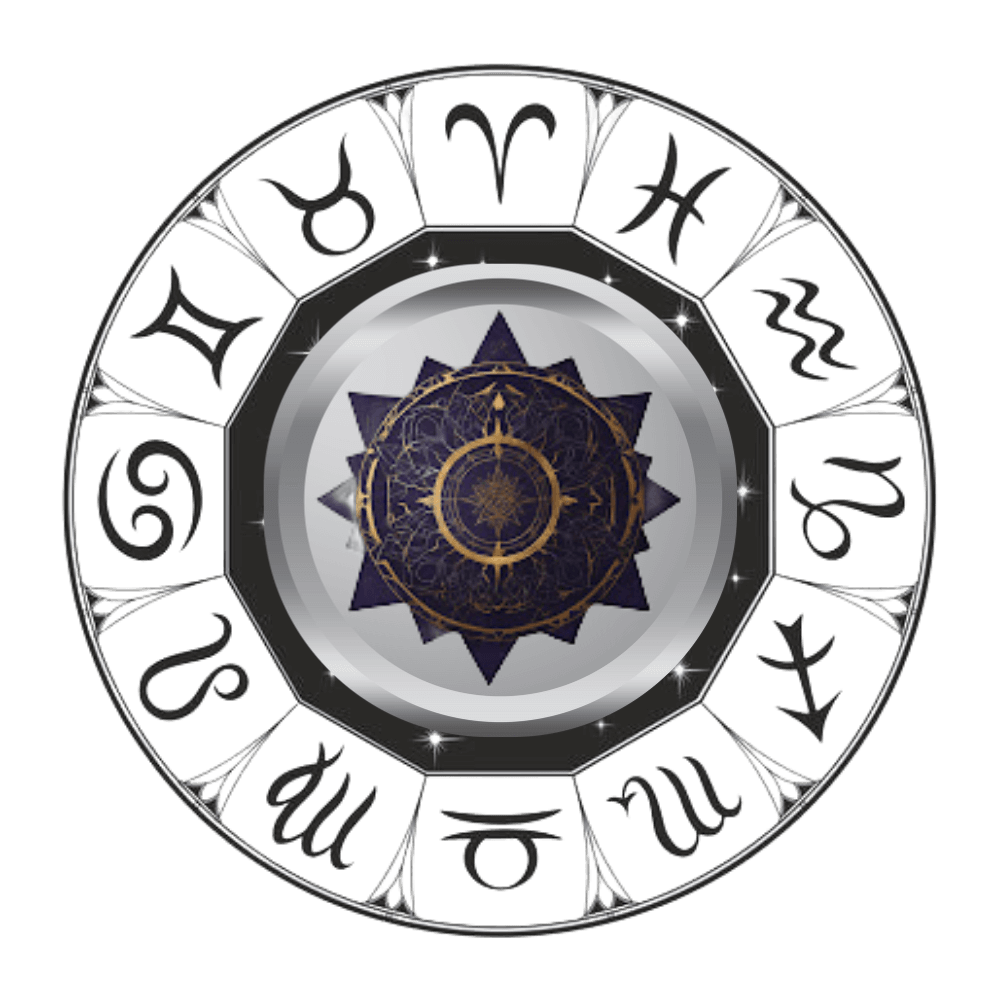
Within astrology, each of the twelve zodiac signs carries a set of associated personality characteristics. Virgo, for example, is often described as detail-oriented and analytical. Sagittarius is associated with curiosity and a love of exploration. Aquarius is linked to independent thinking and idealism.
These broad archetypes have been used for centuries as a way for people to reflect on their own nature.
Two Systems, One Question
Both AI-driven personality prediction and astrology are, in a sense, trying to answer the same question: can we anticipate how a person thinks, feels, and behaves based on information we already have?
The methods could not be more different. Psychological trait theory and AI rely on measurable data and statistical patterns. Astrology relies on the symbolic interpretation of celestial positions at the moment of birth.
One interesting observation here is that both approaches involve pattern recognition. AI finds patterns in language and behaviour data. Astrologers find patterns in the relationship between planetary positions and human experience. Whether those patterns are meaningful in the same way is something people interpret very differently.
What AI Cannot Do
It is worth being careful not to overstate what AI personality prediction means. Even if an AI can guess how someone might score on a personality questionnaire, that is not the same as truly understanding that person. Personality is complex, contextual, and constantly shifting. A test score — whether generated by a human or predicted by an AI — is a snapshot, not a complete picture.
Similarly, astrology as a belief system offers symbolic insights, not definitive truths. Many astrologers are careful to point out that a birth chart describes tendencies and themes, not fixed outcomes.
Both AI and astrology, then, might be better understood as tools for reflection rather than definitive answers.
Why This Conversation Matters
People have always looked for frameworks to understand themselves and others. Astrology has served that purpose for thousands of years across many cultures. Personality psychology emerged more recently as a scientific attempt to do something similar. Now AI is entering that space in a new way.
It seems interesting that as AI becomes more capable of simulating human responses, questions about identity, selfhood, and what makes us who we are become more pressing — not less. In that sense, astrology and AI might be circling the same deeply human curiosity from very different directions.
Whether you find meaning in a birth chart, a personality questionnaire, or an AI-generated profile, the underlying impulse appears to be the same: a desire to understand what shapes us.
A Few Things Worth Sitting With
- AI predicting personality test responses is based on pattern recognition in data — not intuition or perception of character.
- Astrology interprets personality through a symbolic system that is culturally rich but not scientifically verified.
- Both are frameworks — lenses through which some people find value and others find little.
- The fact that AI, psychology, and astrology are increasingly mentioned in the same conversations may reflect a broader search for self-understanding in a complex world.
None of these frameworks own the complete answer to who you are. But the conversation between them is becoming more interesting by the day.
Photo by Greg Rakozy on Unsplash