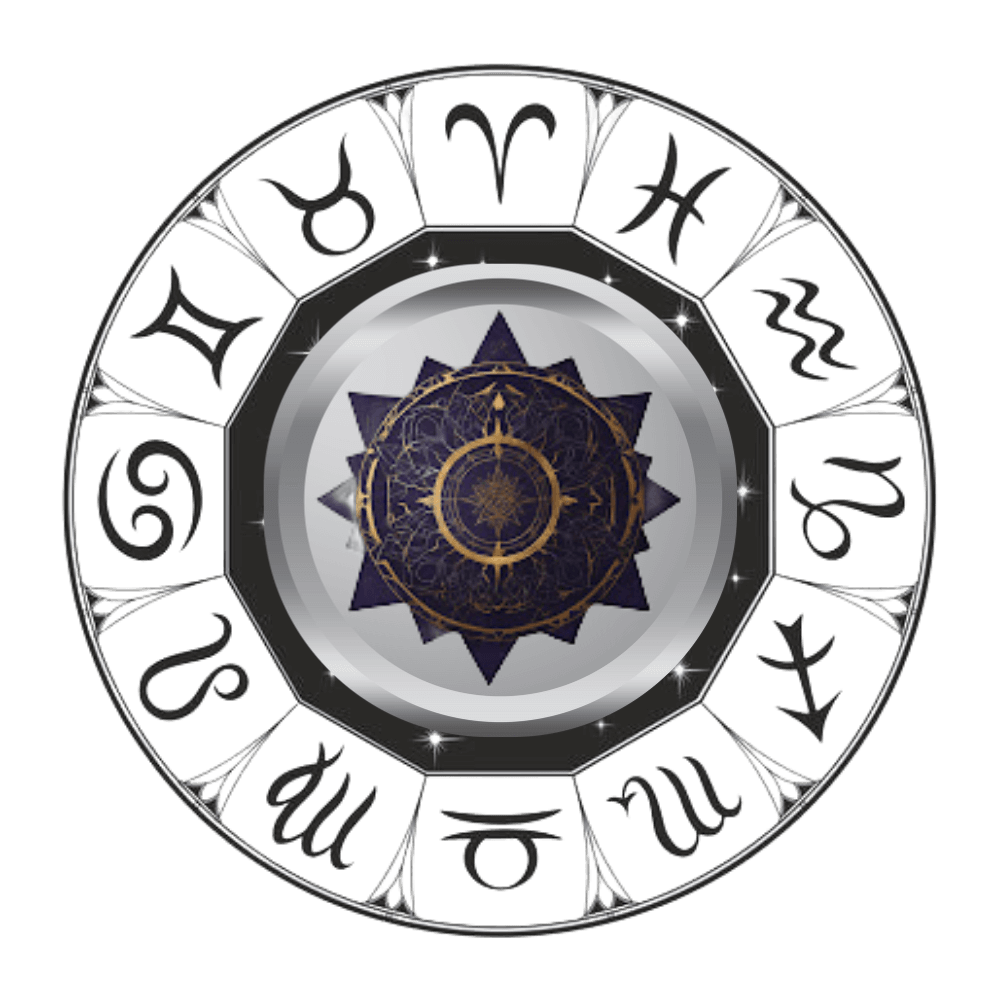
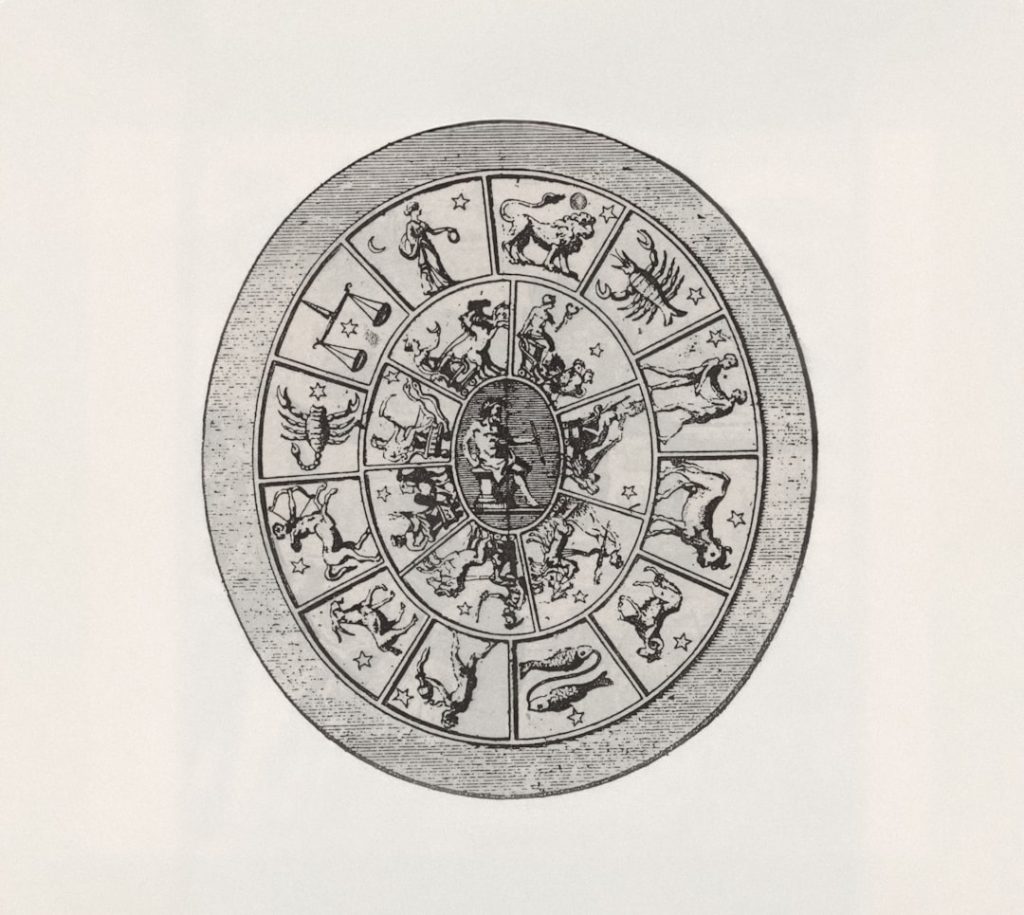
If you have ever read about astrology, you have probably come across the idea of elements. Fire, Earth, Air, and Water. These four categories group the twelve zodiac signs together based on shared qualities. According to astrology, your element can say a great deal about how you think, feel, and relate to other people.
A recent piece in the Hindustan Times explored this idea, with an astrologer explaining how the elements may influence mood and relationships. It is worth taking a closer look at what these four categories actually mean within the astrological tradition — and why the idea continues to resonate with so many people.
A Framework, Not a Formula
Before we go any further, it is worth being clear about something. Astrology is a belief system and a cultural tradition. The idea that the stars and planets influence human personality is not supported by scientific evidence. What astrology offers is a symbolic framework — a set of patterns and categories that some people find genuinely useful for reflecting on themselves and their relationships.
With that in mind, here is how the four elements are understood within astrology.
Fire: Aries, Leo, Sagittarius
Astrology describes Fire signs as energetic, enthusiastic, and driven by passion. Many astrologers believe Fire energy tends to express itself outwardly — through action, creativity, and a desire to lead.
People who identify strongly with Fire sign qualities often describe themselves as spontaneous and optimistic. The possible downside, according to astrological thinking, is that this same intensity can sometimes tip into impatience or impulsiveness.
Earth: Taurus, Virgo, Capricorn
Earth signs are typically described in astrology as grounded, practical, and steady. Where Fire reaches outward, Earth is said to anchor inward — focusing on what is tangible, reliable, and built to last.
Astrologers often associate Earth energy with a preference for structure, routine, and concrete results. The same groundedness that makes Earth signs dependable, some astrologers note, can also make them resistant to change.
Air: Gemini, Libra, Aquarius
Air signs are linked in astrology to the world of ideas, communication, and social connection. According to many astrologers, if Air energy is strong in a person’s birth chart, they may naturally tend to process things intellectually before engaging emotionally.
This is described as a strength in situations that require clear thinking or balanced decision-making. It can also, some astrologers suggest, create a certain emotional distance — a tendency to analyse feelings rather than simply feel them.
Water: Cancer, Scorpio, Pisces
Water signs are most commonly described in astrology as intuitive, emotionally sensitive, and deeply empathetic. Where Air thinks, Water feels. Many astrologers believe Water energy gives people a strong sense of other people’s emotional states — sometimes almost without realising it.
This sensitivity is viewed as both a gift and a challenge. Water signs are often described as deeply caring and creative, while also being vulnerable to absorbing the emotions of those around them.
Why Do People Find This Useful?
One way to think about the elements is not as a description of destiny, but as a starting point for self-reflection. The categories are broad enough to feel relatable, yet specific enough to spark a genuine moment of recognition.
For example, someone who identifies as an Air sign and relates to the description of thinking before feeling may find it helpful — not because the stars have determined this about them, but because the label gives language to something they already noticed in themselves.
It seems interesting that so many ancient traditions — Greek philosophy, Indian Ayurveda, Chinese medicine — developed their own versions of elemental frameworks. The specific elements differ, but the impulse to organise human experience into a small number of meaningful categories appears again and again across cultures and centuries.
Elements in Relationships
Astrology also uses elements to discuss compatibility. Fire and Air are often described as complementary — one provides passion, the other perspective. Earth and Water are similarly paired — one offers stability, the other emotional depth.
Astrologers sometimes suggest that signs sharing the same element understand each other naturally, while those from different elements may offer growth through contrast. Whether this holds up in any individual relationship is, of course, an entirely personal matter — and not something astrology can reliably predict.
A Symbolic Tool, Not a Scientific One
It is worth repeating what was said at the start. The elements of astrology are a symbolic system, not a scientifically validated one. Research has not found reliable evidence that birth dates or planetary positions shape personality in the ways astrology describes.
What research has found is that people are drawn to frameworks that help them make sense of themselves and their relationships. Whether astrology’s elemental system is accurate in a literal sense, or simply useful as a reflective tool, is a question each person ultimately answers for themselves.
Closing Thoughts
The four elements — Fire, Earth, Air, and Water — are one of the oldest organising ideas in astrology. They offer a way of grouping the zodiac signs into broader personality tendencies, and many people find them a genuinely interesting lens for thinking about how they engage with the world.
Whether taken as symbolic metaphor, cultural tradition, or simply a useful conversation starter, the elemental framework continues to find a wide audience. And that, perhaps, is a reflection of something very human — the enduring desire to find patterns in the world, and in ourselves.
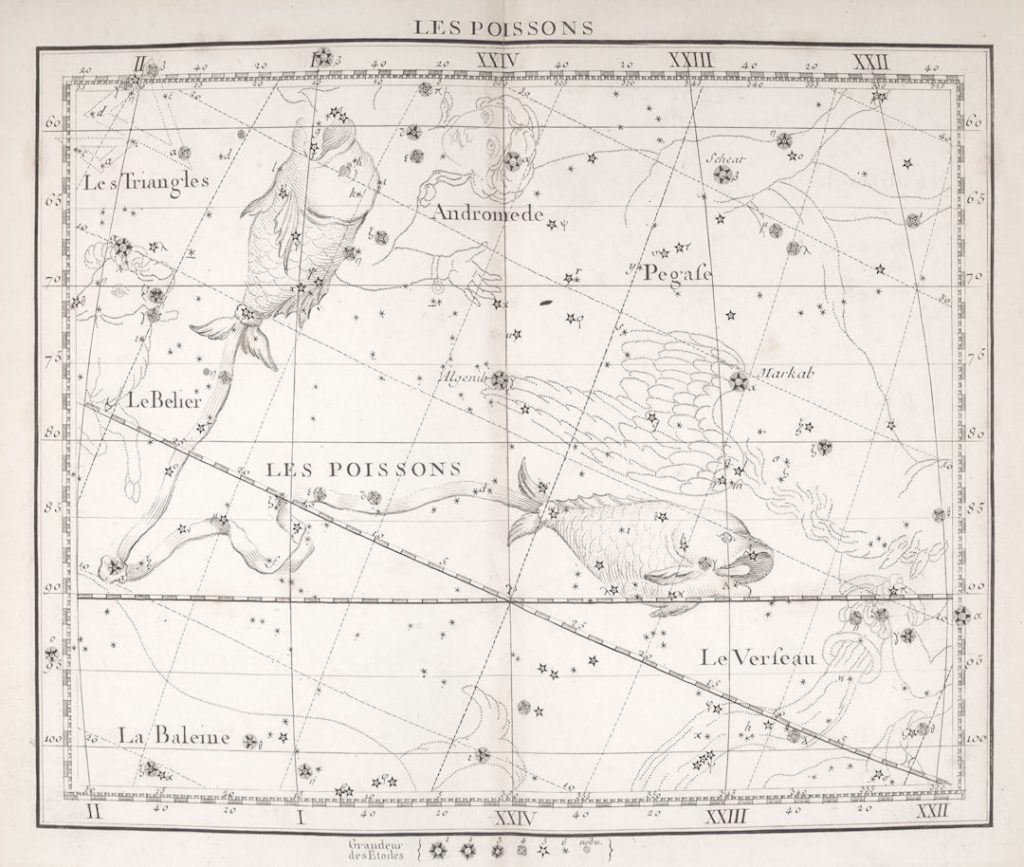
Photo by The New York Public Library on Unsplash