This week, the night sky is offering something genuinely striking — a Blood Moon lunar eclipse in August 2026. It is drawing attention from astronomy enthusiasts and the astrology community alike, and it is easy to understand why. The Moon turns a deep, unsettling red. Traditional names surface from Indigenous history. Astrologers point to powerful symbolic axes.
Let us take a calm look at what is actually happening, where the name “Sturgeon Moon” comes from, and what astrology makes of it all.
What Is a Blood Moon?
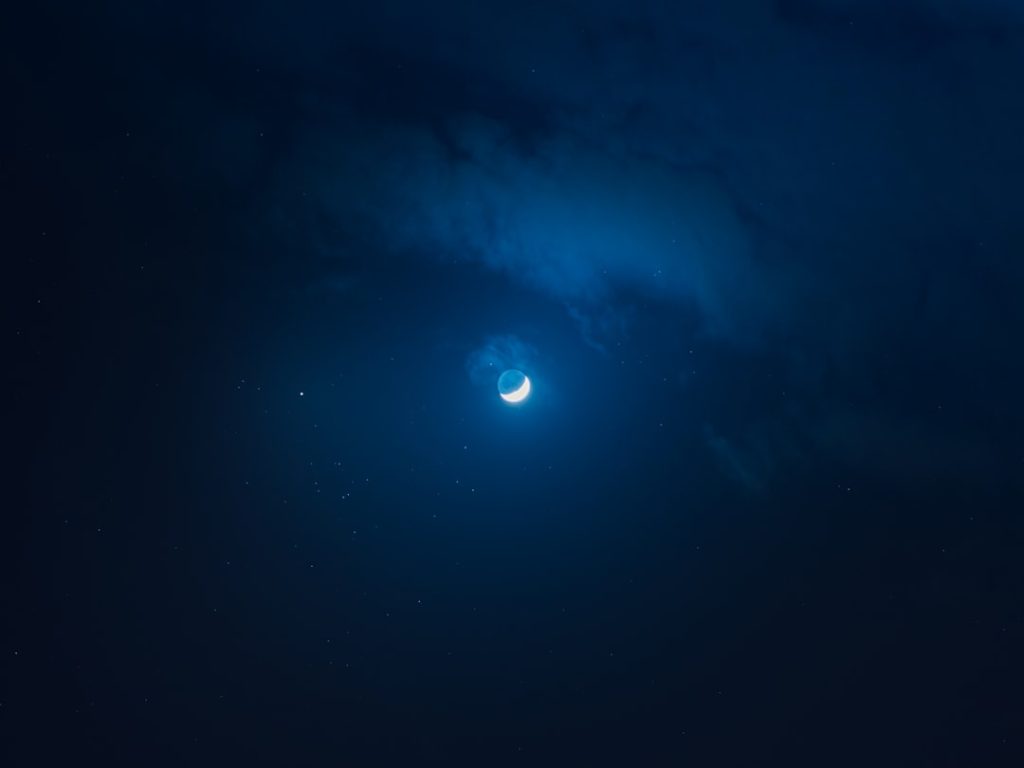
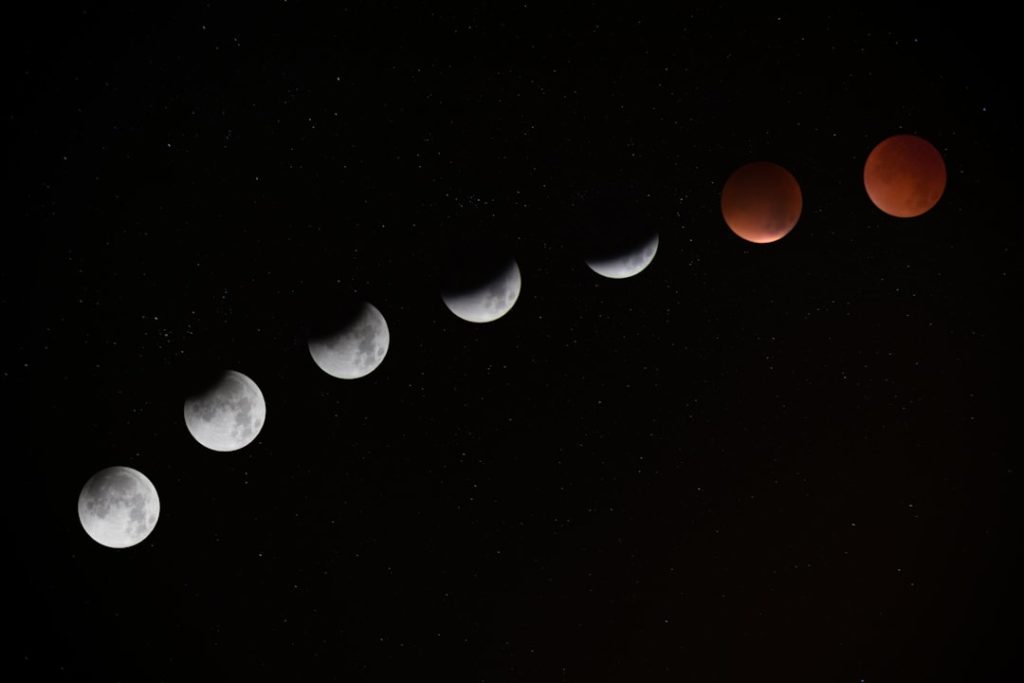
A Blood Moon is simply a total lunar eclipse. During a total lunar eclipse, the Earth passes directly between the Sun and the Moon, casting its shadow across the Moon’s surface. Instead of going dark, the Moon often turns a deep red or orange colour.
This happens because sunlight bends around the edges of Earth’s atmosphere and filters onto the Moon — the same process that makes sunsets look warm and golden. This is a well-established astronomical explanation, not an astrological one. The colour is real and observable, and the physics behind it is understood.
Why Is It Called the Sturgeon Moon?
The name “Sturgeon Moon” is a traditional name for the August full moon. It is not an astrological term. It comes from Indigenous North American traditions, particularly those of Algonquin-speaking peoples, who named each full moon after seasonal features of the natural world.
August was historically a time when large sturgeon fish were plentiful in the Great Lakes and other waterways, making the name a practical seasonal marker. Other cultures developed their own names for this moon. Many almanacs and media outlets continue to use these traditional names today as a way of connecting modern audiences to natural and cultural history.
It is worth being clear: the Sturgeon Moon is a cultural label, not an astrological designation. Its meaning comes from Indigenous ecological knowledge, not from planetary positions or zodiac signs.
What Does Astrology Say About This Eclipse?
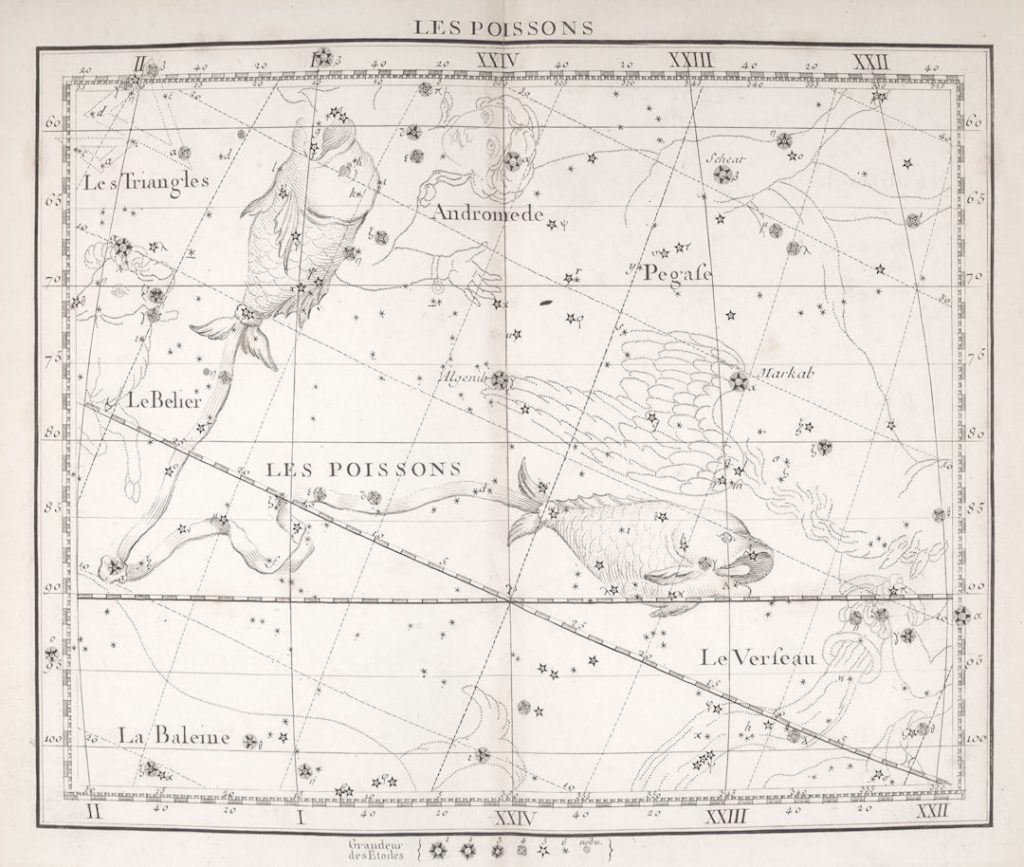
According to astrology sources, the August 2026 eclipse falls with the Moon in Pisces and the Sun in Virgo. In Western astrology, eclipses are generally viewed as significant turning points — moments where energy is said to shift and long-running situations may reach some kind of resolution or revelation.
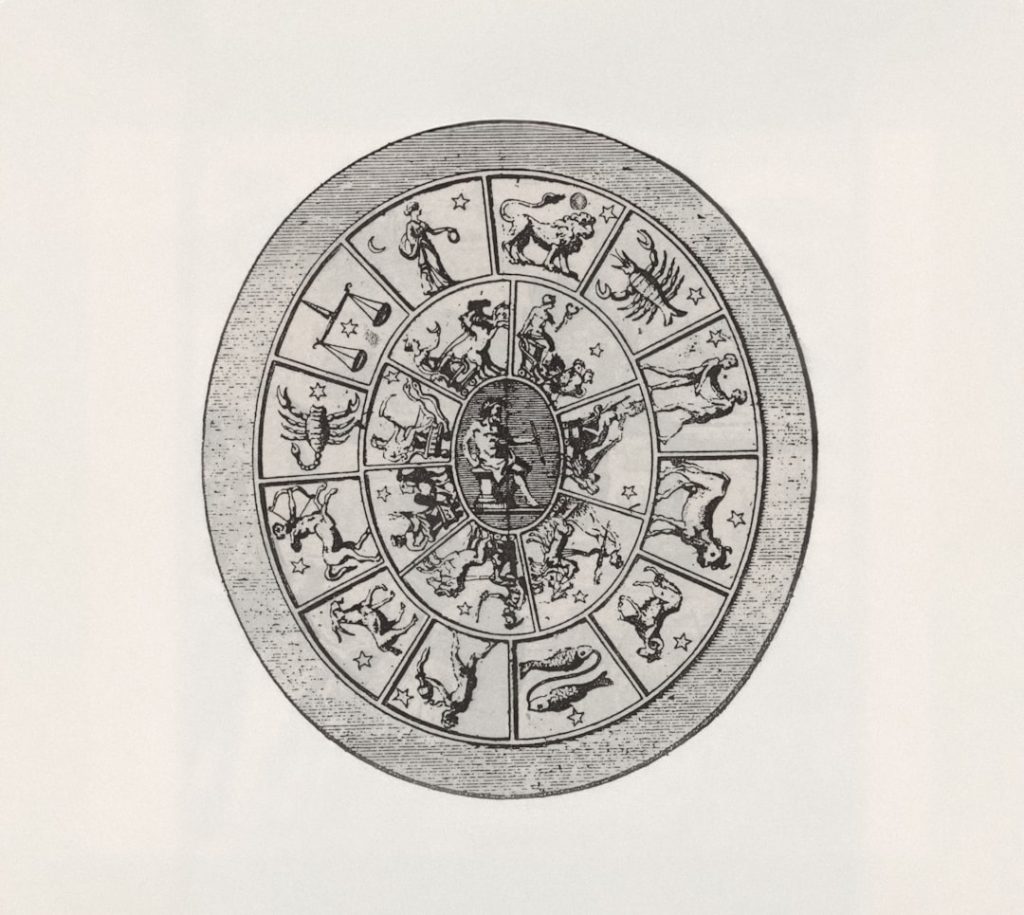
Astrologers often describe the Virgo-Pisces axis as a polarity between detail and the bigger picture — between the practical and the intuitive, between analysis and feeling. Many astrologers believe this axis highlights themes around healing, service, and the relationship between rational thinking and deeper emotional experience.
Within astrology, lunar eclipses specifically are interpreted as moments where something hidden or unresolved may come to light. Some astrology writers describe them as emotionally charged turning points.
These are symbolic interpretations within an astrological belief system. They are not scientific predictions about what will happen to any individual.
Venus Opposing Saturn: Another Layer This Week
Adding to this week’s astrological picture, a Venus-Saturn opposition also took place on August 21, 2026. In astrology, Venus is associated with relationships, values, and connection, while Saturn is linked to structure, responsibility, and limitation.
When two planets are in opposition — roughly 180 degrees apart as seen from Earth — astrologers often interpret this as a tension between the qualities each planet represents. Some astrology writers suggest a Venus-Saturn opposition can bring moments of clarity around commitments or relationships. Other astrologers read it differently. Interpretations vary widely within the astrological community.
One article this week noted that for some zodiac signs, this aspect was framed as a moment when a difficult period comes to an end. Whether that resonates with any particular reader is, of course, a personal matter.
How AI Is Shaping Astrological Content Right Now
One interesting aspect of today’s astrology landscape is how artificial intelligence tools are being used to generate and distribute astrological content. Events like this week’s Blood Moon eclipse produce large volumes of written material — daily horoscopes, weekly forecasts, thematic interpretations — across news sites, apps, and social media, often very quickly.
AI writing tools can follow the patterns of traditional horoscope writing. They can match a planet to a zodiac sign, describe what an opposition or eclipse “means” according to astrological tradition, and produce readable text at scale.
What AI cannot do, however, is verify whether astrological interpretations are accurate. AI systems work by recognising patterns in the text they have been trained on. If astrological tradition says a Venus-Saturn opposition signals tension around relationships, an AI can repeat that claim and frame it fluently — but it cannot test it, prove it, or know whether it reflects anything in the real world.
This raises a question worth sitting with: as AI generates more and more astrological content, how do readers distinguish between a carefully considered human interpretation and algorithmically produced text that simply follows familiar templates? It seems like a question the astrology community, and readers generally, are only beginning to think through.
A Week of Symbolic Richness
Whether or not one follows astrology, this week offers a genuinely layered combination of events. A total lunar eclipse turning the Moon a deep red. A traditional seasonal name rooted in Indigenous knowledge. A set of planetary alignments that astrologers consider symbolically significant. It is a moment that invites reflection, whatever framework one brings to it.
The Virgo-Pisces polarity that astrology highlights this week does raise a question that feels relevant beyond astrology: how do we balance detailed, analytical thinking with more intuitive or holistic understanding? That tension is something many people recognise in their own lives, regardless of whether they read horoscopes.
Closing Thoughts
The August 2026 Blood Moon eclipse is a real astronomical event with a clear scientific explanation. The Sturgeon Moon name carries genuine cultural and historical depth. The astrological interpretations surrounding it are part of a long human tradition of finding meaning in the movements of celestial bodies.
Whether those interpretations carry literal truth, symbolic value, or simply offer a poetic way of marking time is something each reader will weigh differently. One way to think about it is that astrology, at its most thoughtful, may offer less a map of the future and more a language for reflecting on the present.
And this week, the sky is certainly giving us something worth looking at.
Photo by Jake Hills on Unsplash